

Grow your business with outstanding digital product design services
Gain a competitive advantage and a loyal user base. Build digital products and apps designed to support your business goals.
Get maximum value from our digital product design and development services
Validate your digital product idea
Make sure you monetize your new app from the get-go. Develop features crucial for users and your business goals.
Design a long-term product strategy
Create a product strategy based on your unique business value proposition and gain competitive advantage.
Uncover new business opportunities
Gain a new perspective on the users’ needs and your business offer. Design innovative solutions that address unmet user needs and gain first-mover advantage. If needed, pivot to gain a competitive edge.
Improve and enhance existing solutions
Have your web or mobile app verified by a dedicated UX team. Remove bottlenecks. Increase user retention and engagement for better business results.
Ensure high user engagement with great user experience
Work closely with experienced product and UX designers to create user-friendly applications. Offer seamless user experience across all user touch points to increase user engagement and boost conversions.
12+
years
of experience
$30M+
in funding
raised by our clients
50+
digital products
launched

Tell us more about your software design project
Schedule a free consultation call
They take the deadlines seriously, they take responsibility for the project, and the communication is just great. Working with them feels just like having a team next door.

Erin Boelkens / Head of Engineering at LiveRamp
User-centered design solutions
Design thinking
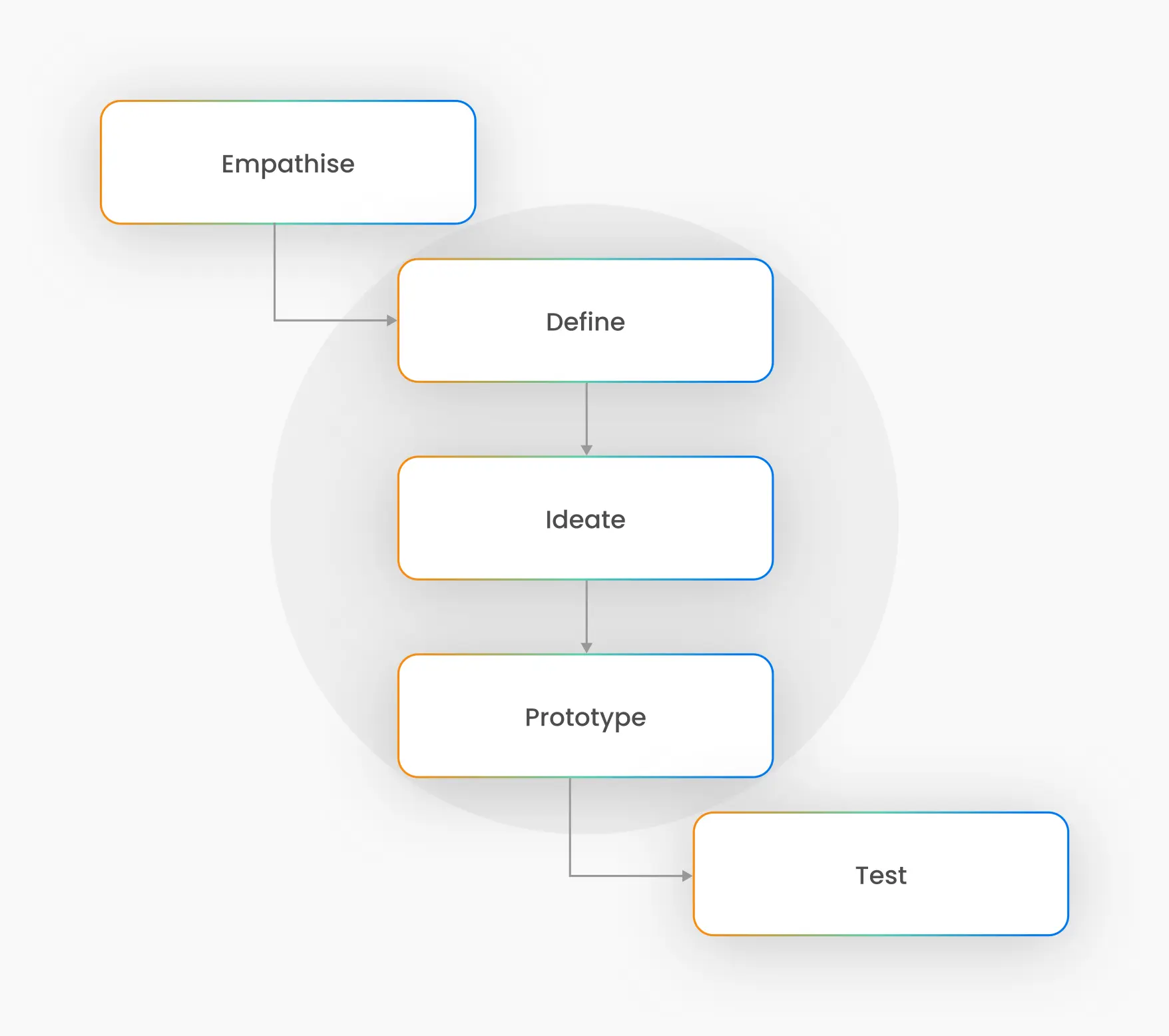
Design thinking is an iterative, user-centric approach we use to design digital products.
The method lets us design and test your minimum viable app cost-effectively. It involves doing research into your business needs and users’ context, ideating possible solutions, and building prototypes to test with the users.
Design thinking, however, is not the only framework we operate within. Following innovation best practices, we combine the method with Lean Startup and Customer Development. This way, we make sure your product is developed effectively and meets actual needs.
Value proposition design
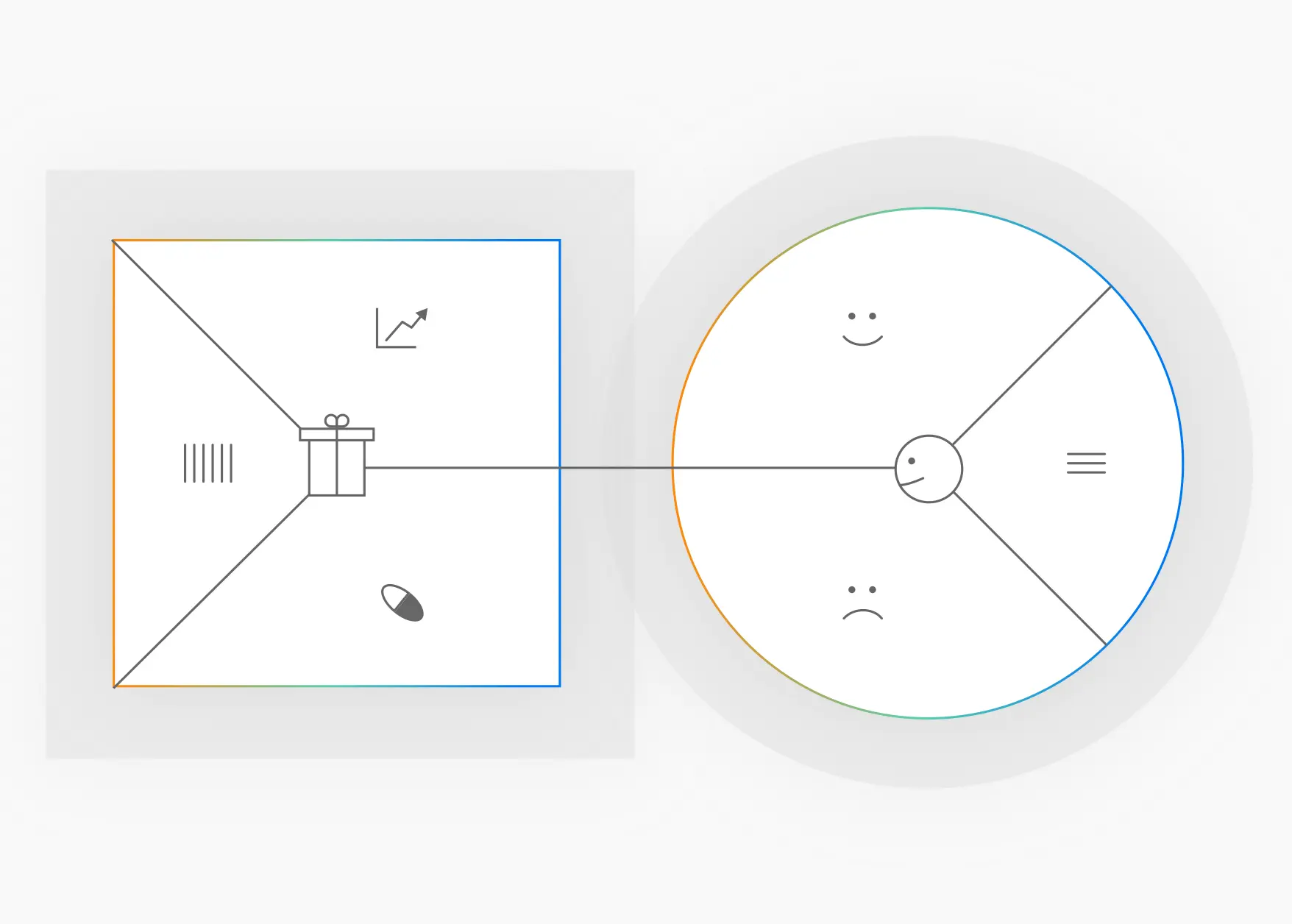
Value Proposition Canvas is a tool that helps you uncover and address your app users’ jobs, pains, and gains. It helps us garner insights into the most profitable unmet user needs so that we can conceptualize innovative new products or find ways to innovate existing ones.
Walking through the value proposition design process in the initial phases of the concept development sets the project up for innovation success.
Wireframing, prototyping, and user testing
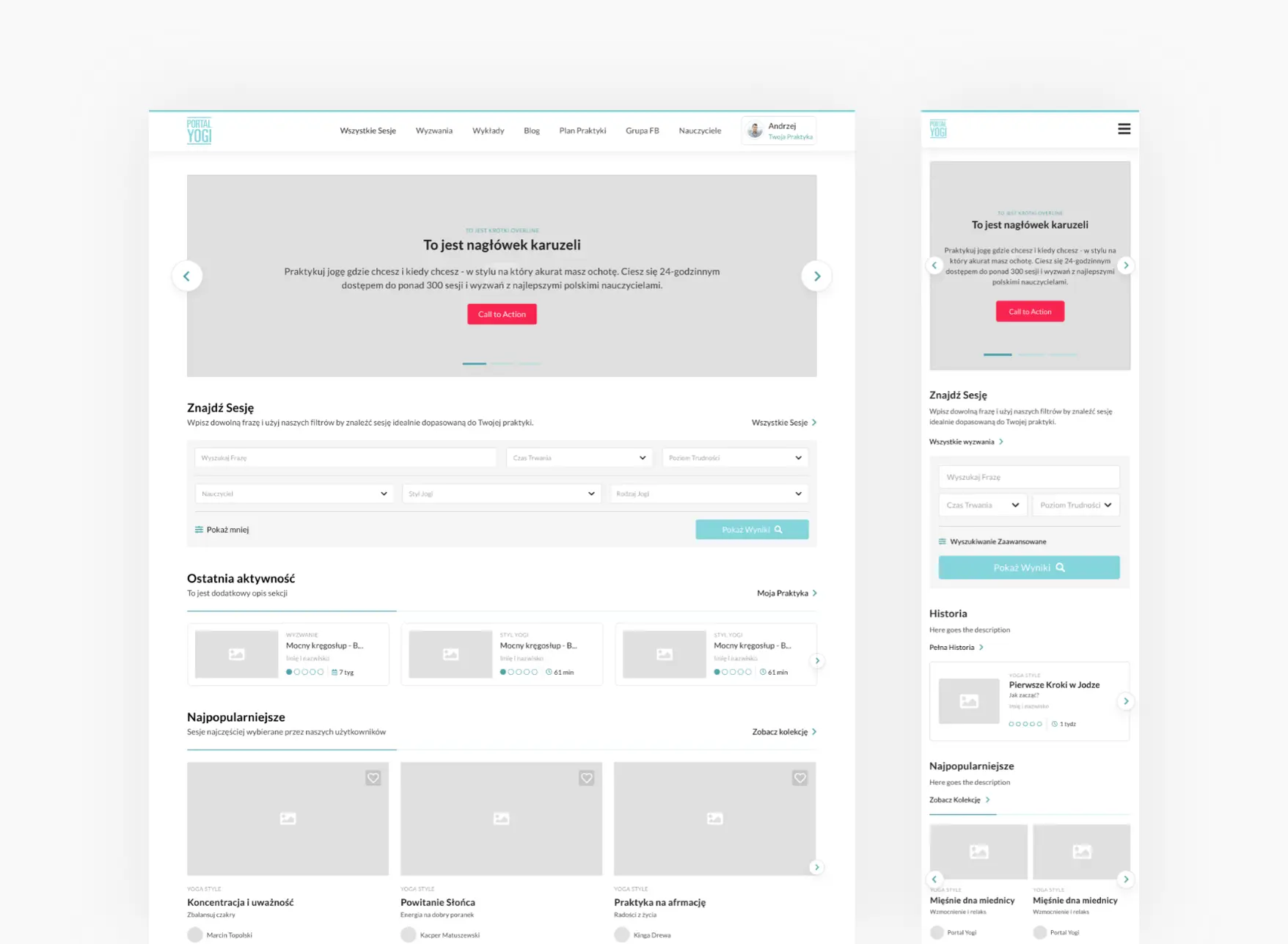
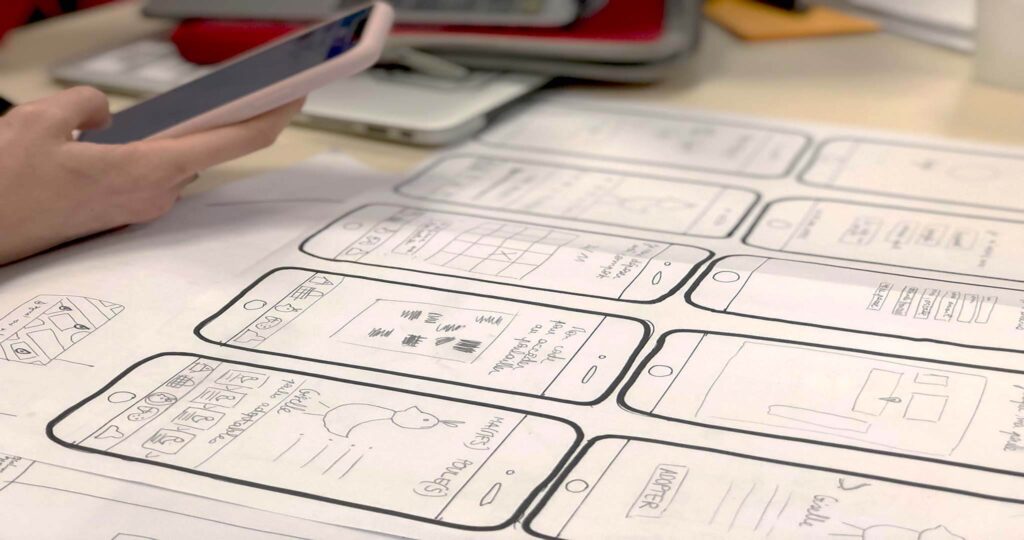
Wireframing is a way to lay out the content of an app or a website early on in the project lifecycle.
Both wireframes and high-fidelity interactive prototypes that follow help test the app concept cost-effectively. By using these product design tools, we make sure only the right features get to the product development stage, protecting you from unnecessary development costs.
Design Sprint
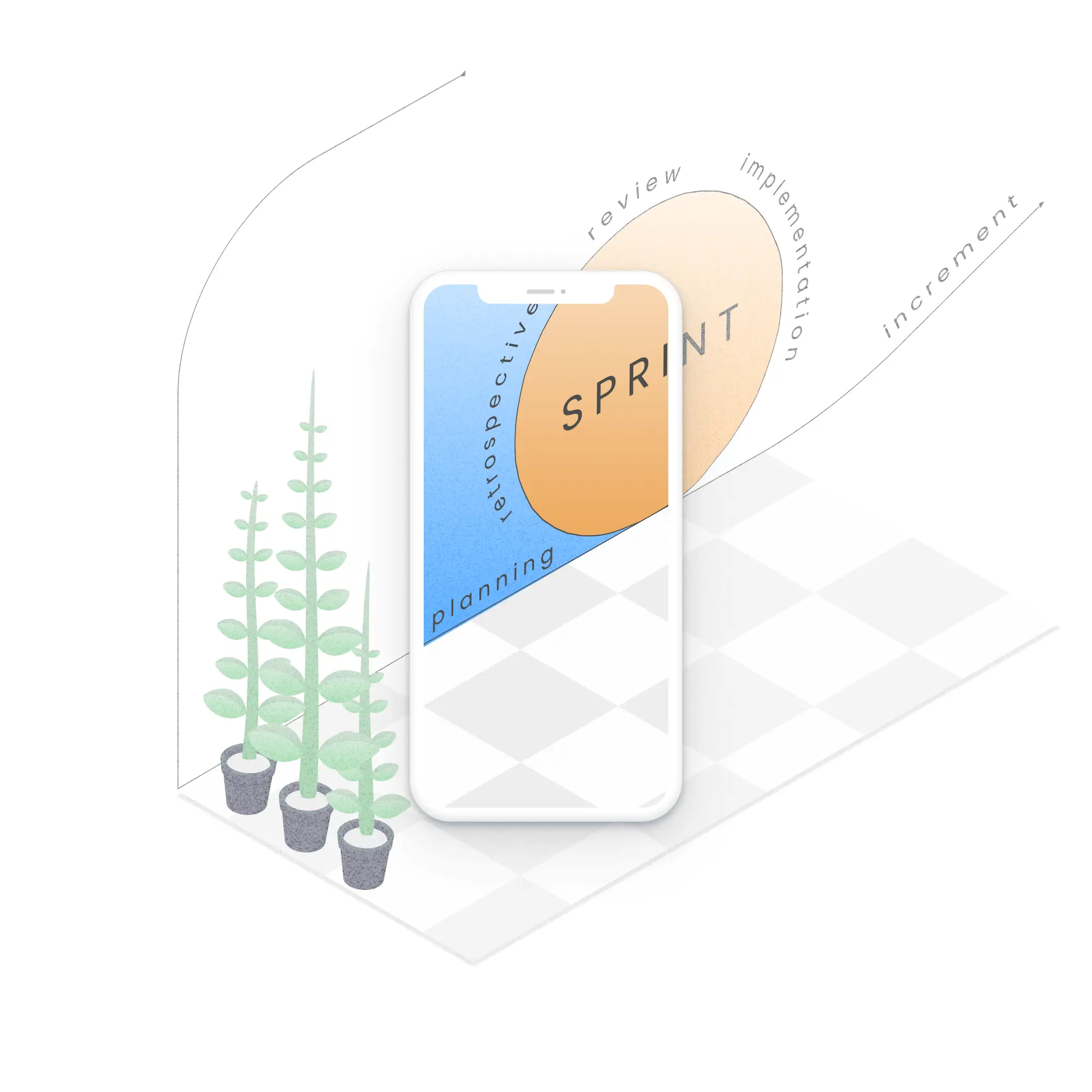
Design Sprint workshops kick off product design projects when the concept for a product hasn’t been validated yet. During the sessions, we help you verify the idea against users’ real needs. And, we look for ways to deliver on your business goals.
As a result, you have a clearly defined business value proposition.
User research
The most common reason why digital products fail is getting the users’ needs wrong. To secure your business success, we test your app with its target audience. We use quantitative and qualitative research to decide on the app features essential from both the users’ and business standpoints. We design a viable product strategy.
User experience design
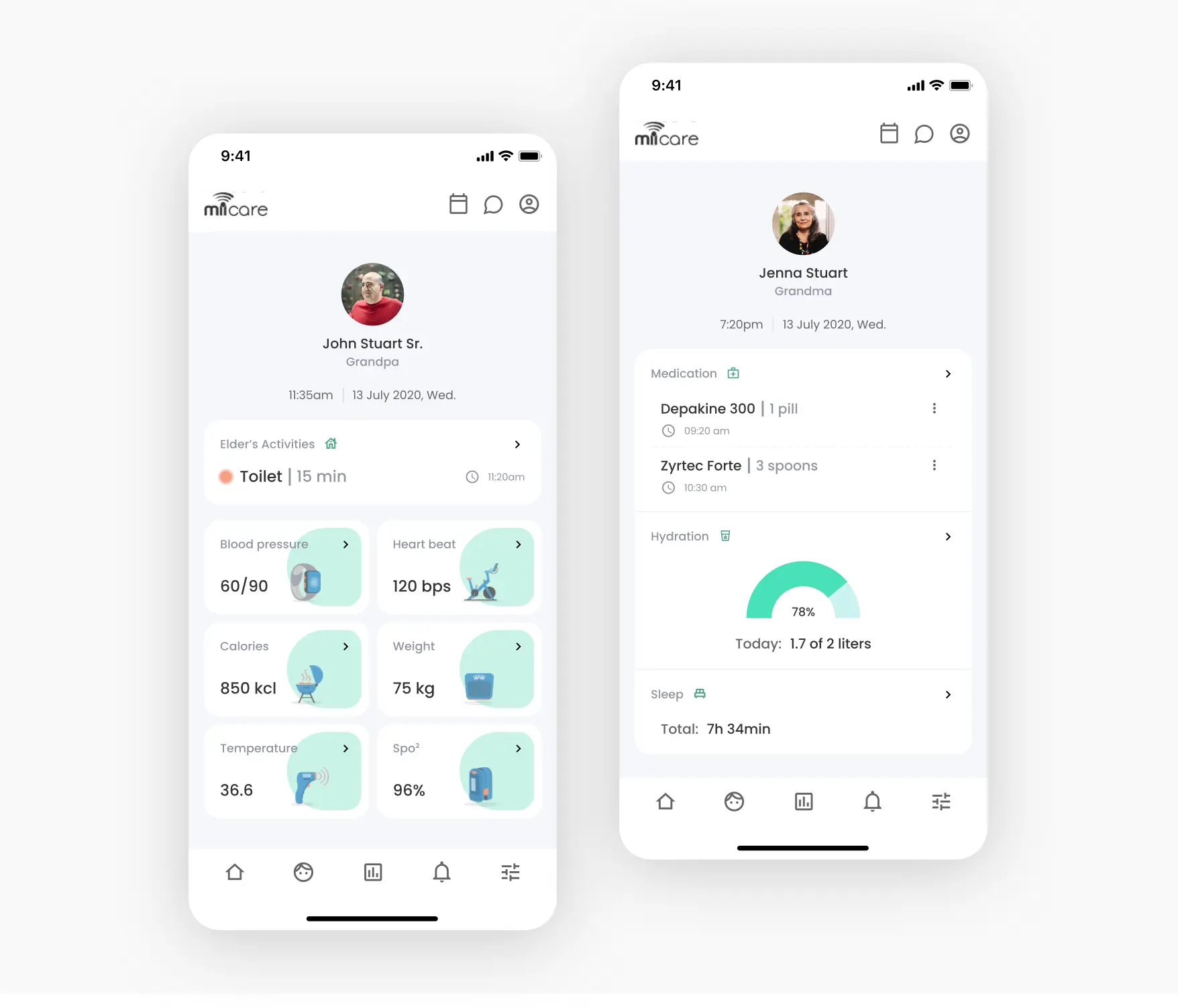
In the digital transformation era, users’ expectations are set high. So, the positive user experience of any app is no longer optional.
A consistent in-app user experience boosts conversions, increases user retention, and improves engagement. It ultimately leads to higher revenue and sustainable growth of your business.
Work with UX designers who are able to design truly user-centric software – one that solves real user problems and does so in a seamless, engaging manner.
Remote product design
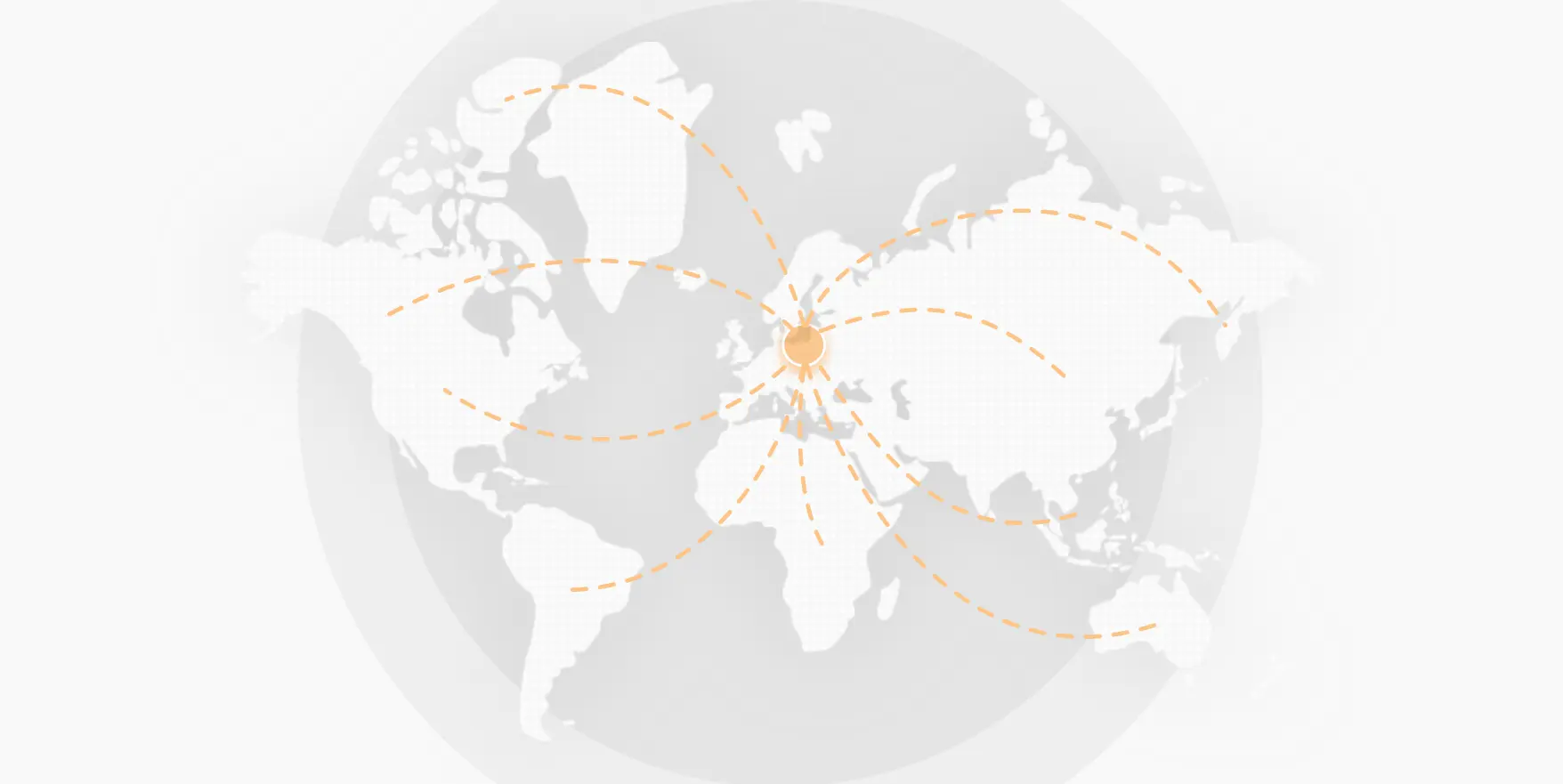
At Neoteric, we serve clients from all over the globe. 98% of the projects in our portfolio have been done remotely. Our experience lets us walk you through the entire product design process effectively, despite the distance.
Are you interested in developing your product strategy with Neoteric?
Schedule a free consultation callFrequently asked questions regarding UX/UI solutions
Do I really need the Design Sprint workshops?
For clients who already have validated app concepts or who have an entire list of features they want to implement, we offer discovery workshops or project scoping, respectively.
We offer Design Sprint workshops to clients who have yet to verify their concepts. In such instances, the product design sprint is a very useful step. It helps avoid developing a generic product that offers no competitive edge over existing products or solving problems that don’t exist.
What deliverables do I get after the product design sprint?
On finishing the Design Sprint with you, we’ll provide you with:
- A user interviews summary and the list of design insights
- A filled-in Value Proposition Canvas and a summary of the findings
- Mapped user journeys
- Development recommendations
- Product proposition prototype
- A list of key features we suggest implementing in the app
Am I obliged to choose Neoteric as a digital product design agency after workshops?
As much as we love to see the concepts we’ve designed take shape, there’s no such obligation to continue software development with us after you have taken part in the design workshops.
Do I need product design know-how to work with you?
Not at all. We walk you through the design process. During the cooperation with us, a Product Owner Proxy will support you in the design and development process.
What is the difference between web development, app development and custom website development?
Web development is not equivalent to website development services and is a narrower term than app development.
In simple terms, web development covers creating interactive web applications and web portals, which function like apps but are stored online, accessible through any browser.
Meanwhile, app development is broader, covering web, native mobile and desktop apps, each with distinct environments and tools.
Custom website development, in turn, focuses solely on building websites—static or dynamic — crafted to serve specific brand or content goals, rather than interactive applications.
How much does it cost to validate an app idea?
We’ll be happy to answer this question once we understand your business needs. Please, reach out to us on the contact page, or write to us at hi@neoteric.eu
Do you offer a fixed price?
Since designing and developing digital products involves a number of iterations, we work in the time and material model.
Read about how these models are different in our article:
Fixed Price vs. Time and Material. What Type of Contract Should I Choose?
How much does it cost to design and develop an app with Neoteric?
The cost of agile software development obviously depends on the project. Agile is about iterations. We start from a minimum viable product (MVP) and then gradually expand the scope. As we’re constantly uncovering new insights into the users, the scope of the project changes.
However, there’s a solution for those who need greater control over the app development budget: a scoping session. During the workshops, we define the project scope together and prepare a detailed estimate, so you know what to expect before development starts.
Do I need a designer for my project?
No matter which angle you look at it from, the answer is always: YES. Having a designer’s support for your project brings you benefits all along the way. It helps to predict potential obstacles and problems with dependencies or implementation of some features – and thanks to that, avoid them and plan all the work properly. The designer’s guidelines give developers a clear view of where they are aiming, so they can adjust their approach accordingly and provide better results.
Having a designer also makes it easier to implement any changes or additional features – but also to assess whether such changes are worth implementing – which can save you from unnecessary costs and waste of time. Overall, all the support that the designer’s expertise brings to your project saves you lots of time and money and helps to ensure that, in the end, your product will look and function as it should.
You can read all about it here: Do you need a designer for your project? 6 most common concerns and wrong assumptions
Are you interested in developing your product strategy with Neoteric?
Schedule a free consultation callLooking for other services?
Bespoke software development
Get access to top web developers, kickstart your project, and grow your product efficiently.
AI development services
Unlock the hidden potential of data to drive tangible business results – and do it faster than you’d expect.
Fitness app development
Build a groundbreaking app that will amaze your users with the best online fitness experience.
Learn more about product design on our blog:

Fitness App Development – A Step-by-Step Guide
Develop a fitness app through a lean sequence: validate the idea, test risky assumptions with a proof of concept, prototype the experience, and build an MVP for user feedback. Work iteratively with the delivery team and prepare for launch. Continue measuring and improving the product once people begin using it. With the health and fitness…
What Is the Difference Between UI and UX?
UX concerns the overall experience of using a product, while UI concerns the interface through which people interact with it. They overlap but solve different questions. A successful product needs both an understandable, useful journey and an interface that makes that journey clear and workable for its users. UI and UX are widely discussed but…

How to prioritize features for a Minimum Viable Product?
Prioritize MVP features around the core user problem and the assumptions you need to validate. Separate essential capabilities from desirable additions, and avoid treating the MVP as a complete product built at smaller scale. Its scope should enable useful learning before the team commits to a broader feature set. When you’re planning the development of…