Web App

Application for asset managers

Industry:
Asset Management
Number of teams:
4

Client

The Client operates in the European asset management industry, helping asset managers achieve higher efficiency in their product management processes and reduce costs associated with the production of regulatory and statutory documents such as UCITS KIID (Key Investor Information Document) and PRIIPs KID (Key Information Document), financial factsheets and other marketing documents, prospectuses, articles of incorporation or application forms.

About the project

The Client faced a challenge of assembling a team of developers in Luxembourg. With rigorous deadlines, the Client decided to outsource product development of one of the application modules to a team abroad.

Our tasks

Implementing design drafts

We had to implement the business logic of the Client’s design drafts. The information within the application had to be presented in a predictable and coherent way.

Setting up the application infrastructure

Our developers had to prepare the infrastructure for an environment running on the Client’s Kubernetes cluster and conduct integration with a 3rd party API.

Developing a progressive web application

We set on track to create a progressive web application that would reflect the delivered design drafts.

Meeting the Client’s acceptance criteria

The quality assurance and testing team monitored and coordinated the quality by evaluating the processes and procedures during every sprint.

01

Challenges

1. A long and complicated process

The process of visualization was long and complicated. It required using a raster graphics editor, and designing every single diagram from scratch.

2. Manual report creation

The reports were created manually for every diagram. That required a lot of time and effort from people involved in this task.

3. Omitting risks due to process complexity

The complicated and time-consuming process of risk visualization may have led to omitting minor risks – the less probable to occur, the less likely would the person responsible for the visualization take that risk into consideration and put it on a diagram.

Transparency in communication and critical thinking were also crucial qualities demonstrated by Neoteric. The team had a sufficient grasp of what I wanted to achieve from a vision point of view to challenge our approach or design. This prevented errors and brought value to the end product. On top of an excellent delivery team, I worked with a committed team of partners that made that extra mile which makes your product better. I am grateful for this.

Product Owner

02

Solutions

1. Building a solid app infrastructure

The backend team prepared the infrastructure for an environment running on the Client’s Kubernetes cluster, conducted integration with a 3rd party API, implemented required features, and ran tests.

2. Implementing the Client’s design drafts

The front-end team created a web application based on Angular 8 and Storybook implementing a business logic from the Client’s design drafts. The team worked on proper information hierarchy to make sure that information was presented in a predictable and coherent way.

3. Introducing feature orchestration

They also managed to implement feature orchestration that was emphasized by the Client – all features were built around user stories. The team had to make sure users can easily understand functionalities and achieve their goals within the application fast. This was critical for product adoption later, and, as a result, for the product’s success in general.

4. Creating a progressive web application

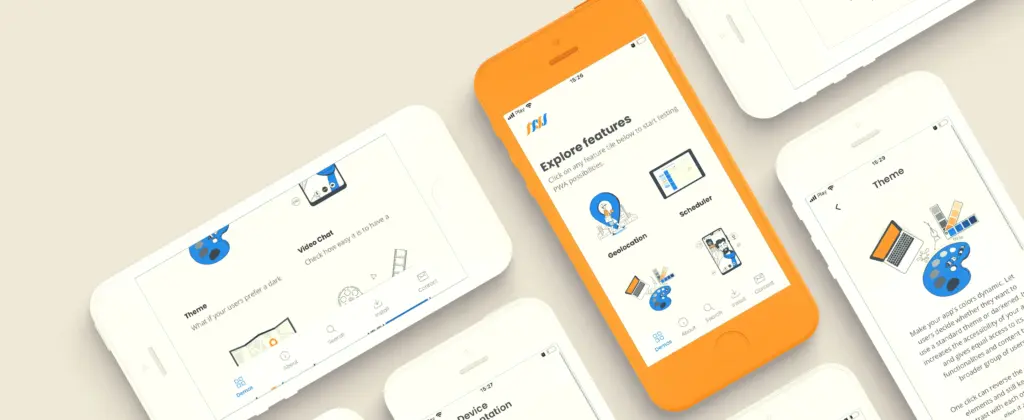
The mobile team created a progressive web application – a reflection of the delivered design draft. The application was performed in Angular, the stack proposed by Neoteric as the best solution for this business case.

5. Ensuring product quality

The team conducted tests before new product versions were launched to ensure that the software runs smoothly and meets the Client’s acceptance criteria. The team investigated and identified bugs in new systems to later resolve them and increase the product’s quality.

Technology we used

Angular

Java

03

Project Results

Launching a product module

We assembled 4 teams of specialists for the project. Those teams built the second product module – both web and mobile applications for asset managers.

Putting the Client’s idea into action

We built the product module in line with the best practices of product design, implementing the vision of the Client and ensuring the best user experience within the application.

Maintaining regular communication

During product execution, our development team maintained close communication with the Product Owner from the Client’s side and achieved a high level of autonomy and project ownership, thus making it easier for the Product Owner to oversee the process.

Conclusion
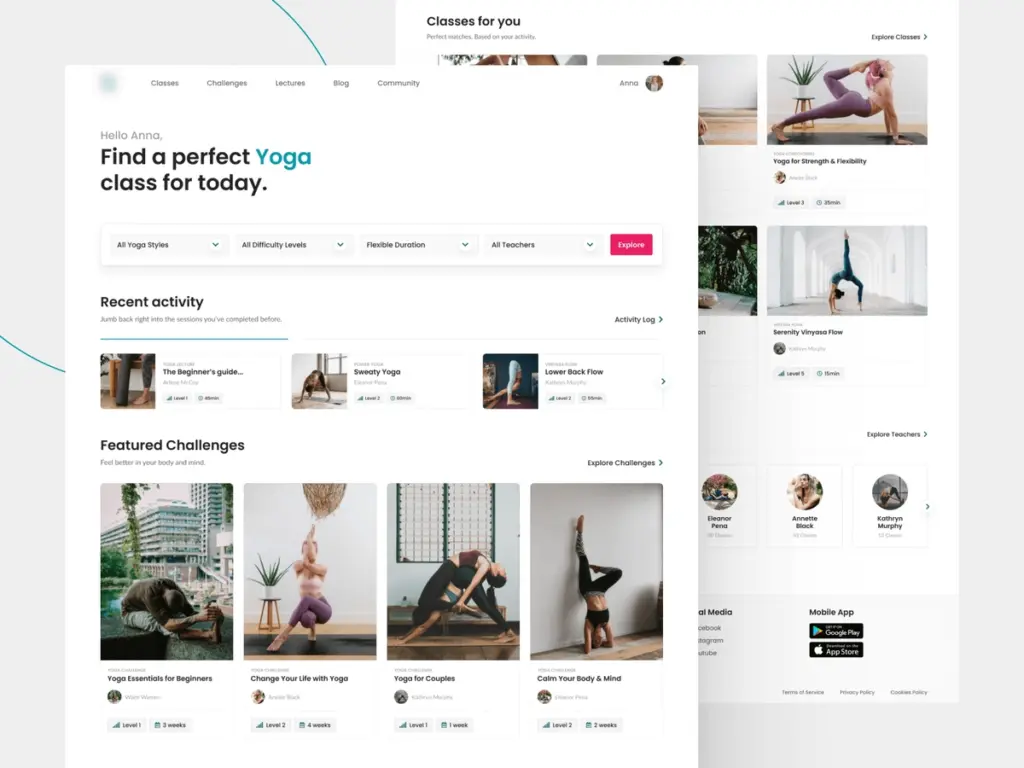
We managed to assemble 4 teams to work on the Client’s project in no time and launch a product module successfully. The end product complied with the Client’s vision and strict product requirements.

Do you like our work?

Let's talk about your project!

Discover our
other projects