

Discovery Workshop
Turn your product idea into a clear development scope. Align user needs, business goals, and technical possibilities before you build.
3 workshop days · 2+1 format · Individual pricing
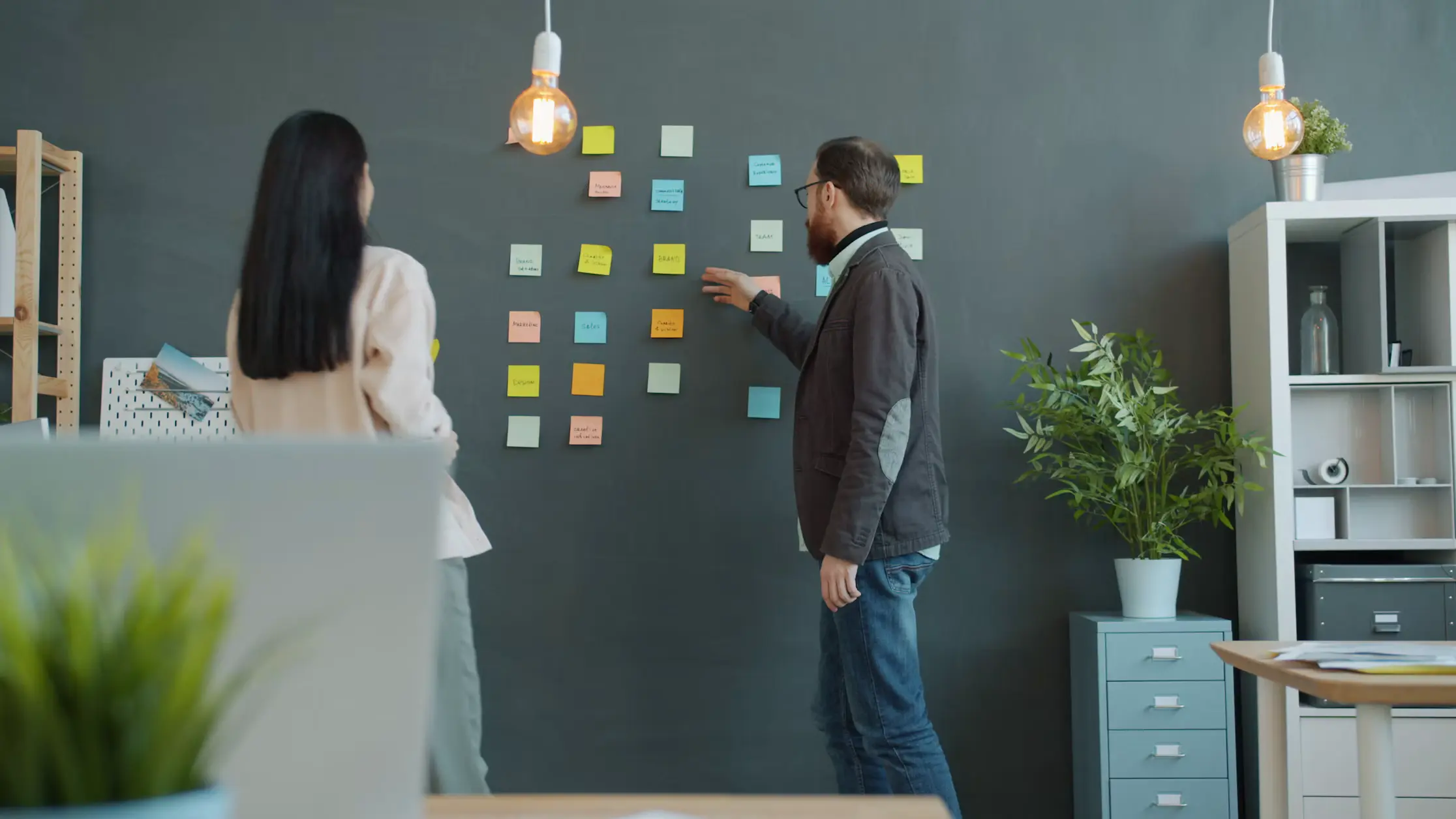
Give your product a direction everyone can share
A promising idea is only the beginning. Before development starts, your team needs a shared view of who the product serves, what success means, and which features belong in the first release.
Our Discovery Workshop helps companies at an early stage of product planning shape their idea and define the right scope. Together, we connect business goals, user journeys, and technical requirements to a realistic path forward.
The format includes two workshop days, a two-day break for reflection, and a final alignment day. The agenda is adapted to your product and the questions you need to resolve. Pricing is agreed individually.
Come prepared to make better product decisions
Bring a general understanding of your business scenario, initial validation of the idea, and high-level business goals.
End-user profiles, market references, an initial feature wishlist, and existing brand guidelines help us go deeper. Bring the people who can explain user needs, business priorities, and technical constraints. We use this context to challenge assumptions and agree on what matters most.
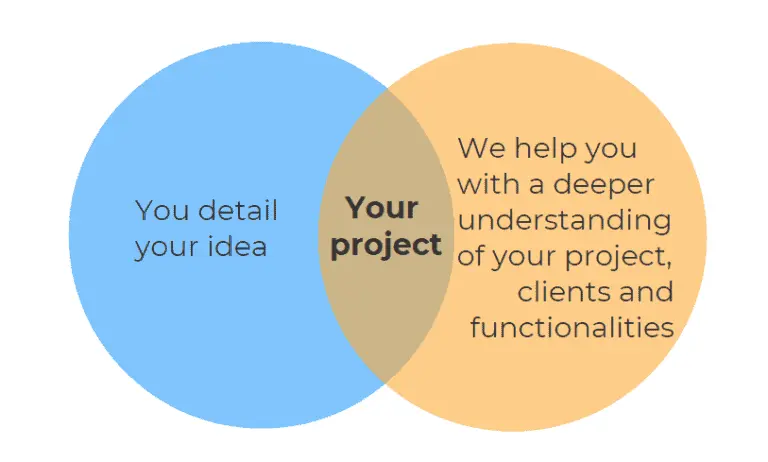
Your product contextUsers · Business goals · Initial validation
Shared product decisionsScope · Technology · Priorities
A development roadmapBacklog · Budget scenarios · Validation
Three days to shape a practical product plan

Days 1–2:
Understand, map, and prioritize
We review your business context, define goals and success metrics, and create user personas and journeys. Event modeling and process mapping reveal key actors, actions, and events. We then break down the functional scope, prioritize features, and assess complexity and implementation effort.

Day 3:
Align on how to deliver
After a two-day reflection break, we review the previous outcomes and explore technology and architecture options. We discuss risks, dependencies, and mitigation, create an evidence roadmap and validation plan, and agree on next steps. Concept sketches can be included where useful.
The decisions we work through together

Business goals and success metrics
Define what the product should achieve and how you will measure progress. Prioritize business needs so the roadmap supports a clear purpose.

Personas and user journeys
Identify your users, their needs, and the paths they take through the product. Connect feature decisions to real tasks and expectations.

Processes and product flows
Map key actors, actions, and events through event modeling. Review important user flows and validate the technical assumptions behind them.

Technology and architecture
Explore a suitable technology stack and system architecture. Make dependencies and constraints visible before they become expensive development surprises.

Risk and validation planning
Build a risk board covering assumptions, unknowns, and potential issues. Decide what needs evidence and how to validate the most important product questions.

Scope, effort, and budget
Prioritize the backlog and compare scope scenarios. Discuss complexity, delivery timelines, team composition, and estimated budget ranges to support informed tradeoffs.
A roadmap for the next stage of your product
You leave with a structured roadmap, prioritized backlog, and clear recommendations for further product development. The outputs give stakeholders and investors a concrete basis for discussing scope and delivery.
- A clear risk boardAssumptions, unknowns, and potential risks made visible before development.
- Prioritized product goalsBusiness goals, product needs, and functional recommendations in priority order.
- Validated user flowsTechnical validation of key user flows and product assumptions.
- Technology and architectureRecommendations for the technology stack and system architecture.
- Mapped product processesActors, actions, and events mapped within the process.
- Team and delivery planRecommended team composition, delivery approach, and timeline.
- Budget scenariosEstimated budget ranges for different scope scenarios.
- Evidence and validation roadmapA plan for validating the most important questions in the next stage.
YOUR NEXT STEP
Give your product a clear path forward.
Align your stakeholders around scope, priorities and the next steps toward development.
Discovery Workshop FAQ
How does the 2+1 format work?
We start with two workshop days, followed by a two-day break for reflection and a final alignment day.
Who should participate?
Bring people who can explain user needs, business priorities, and technical constraints, and help align the product direction.
What should we prepare?
Bring your business scenario, initial validation of the idea, and high-level goals. End-user profiles, market references, a feature wishlist, and existing brand guidelines help us go deeper.
How much does the workshop cost?
Pricing is agreed individually and the agenda is adapted to your product. Tell us about your project to discuss the scope and quote.