LeadStar AI Assistant
LeadStar
LeadStar is an affiliate marketing platform that connects publishers with advertising campaigns and monetization opportunities. It provides access to hundreds of campaigns, along with analytics and promotional tools designed to help publishers grow their online revenue.
With an intuitive dashboard and automated processes, LeadStar enables users to efficiently manage campaigns, monitor performance, and continuously optimize their monetization strategies.
Project overview
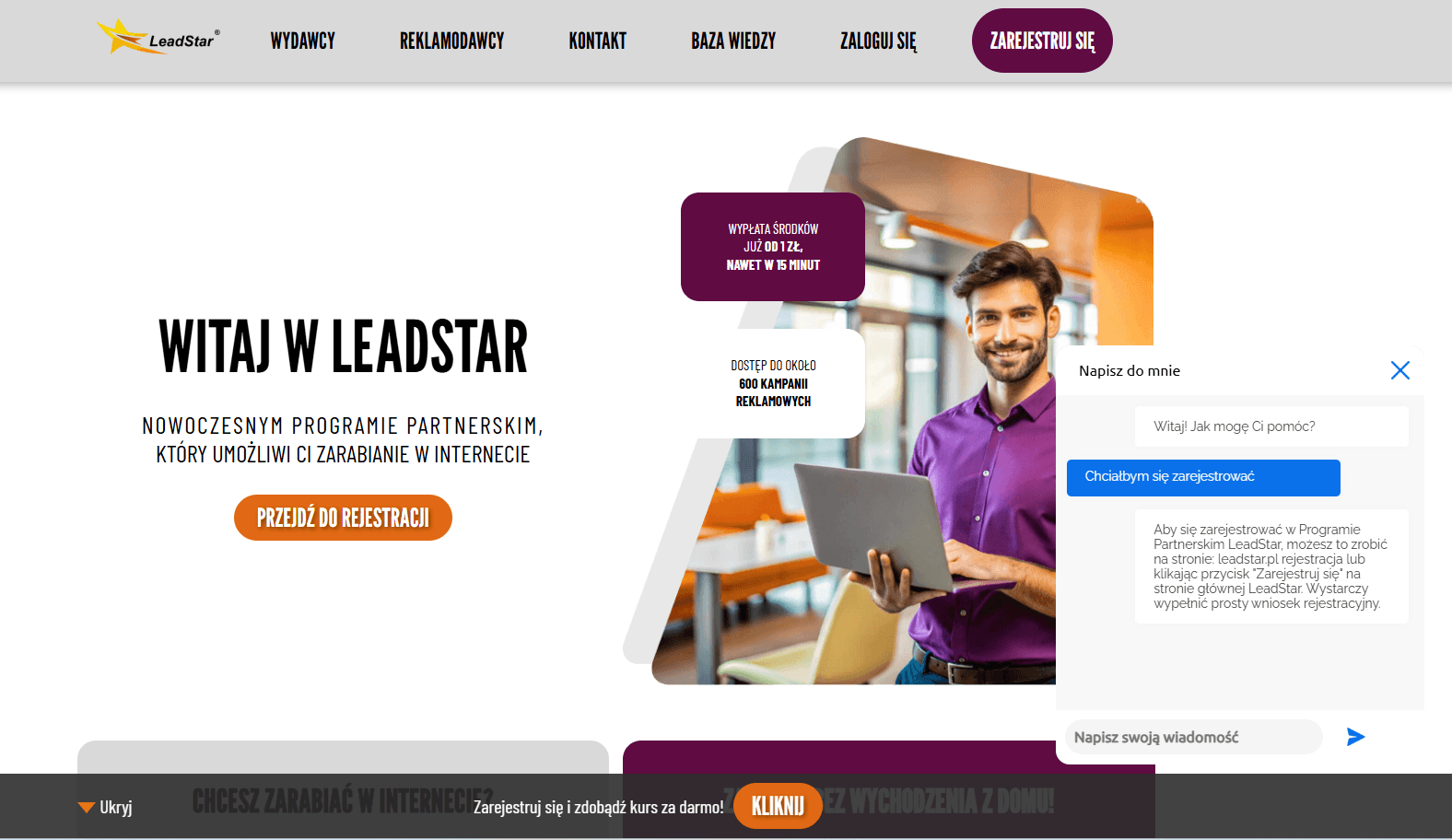
LeadStar identified an opportunity to leverage generative AI to help publishers navigate the platform more efficiently and find answers to their questions faster. The idea was to integrate an AI-powered chatbot directly into the platform interface.
The assistant combines user queries with the platform’s knowledge base to deliver clear, context-aware
answers and practical guidance on campaigns, tools, and platform features.
Our tasks
AI Chatbot Integration
Our goal was to implement a conversational assistant directly within the LeadStar platform interface.
The chatbot needed to connect internal knowledge sources with a large language model to deliver real-time, context-aware answers to user queries.
LLM Optimization
To ensure reliable responses and a smooth user experience, we experimented with prompts, retrieval mechanisms, and model parameters.
The focus was on improving answer accuracy while minimizing the risk of incorrect or hallucinated outputs.
Backend Architecture
In parallel, we designed a scalable backend architecture to handle communication between the user interface, the knowledge base, and the language model.
The solution needed to be efficient, robust, and ready to support future AI-driven features.
Goals
Improving user onboarding
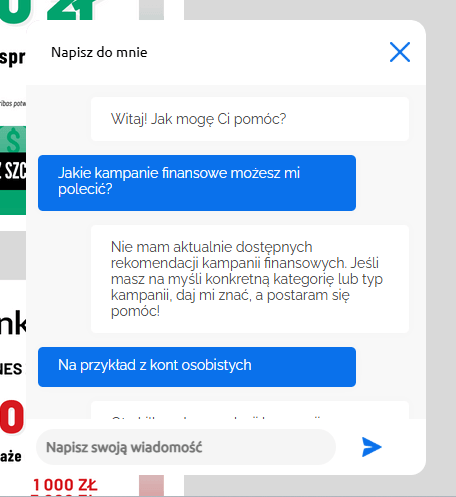
One of the main goals was to simplify the onboarding process for new publishers. Many users needed guidance when navigating the platform and selecting campaigns. The chatbot was designed to provide quick answers and guide users through the available features.
Making platform knowledge more accessible
LeadStar contains a large amount of documentation, tutorials, and blog content explaining how to use its tools. The assistant was created to transform this knowledge into a conversational format, allowing users to find information simply by asking questions.
Increasing platform engagement
By making it easier to discover campaigns, tools, and platform features, the AI assistant helps publishers interact with the platform more frequently and make better use of its monetization opportunities.
Challenges
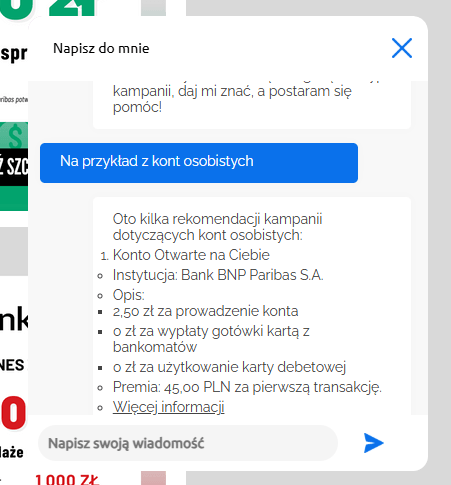
Providing accurate answers from multiple knowledge sources
The chatbot needed to retrieve information from different types of content, including blog posts, documentation, and internal guides. These sources varied in structure and style, which required preprocessing and semantic indexing.
Reducing the risk of hallucinations
Since the assistant provides information about platform functionality and financial processes, ensuring answer reliability was essential. The architecture had to minimize the risk of the language model generating incorrect information.
Designing a scalable AI architecture
The solution needed to work as an MVP but also support future features such as campaign recommendations, automated insights, and personalized suggestions for publishers.
Our approach
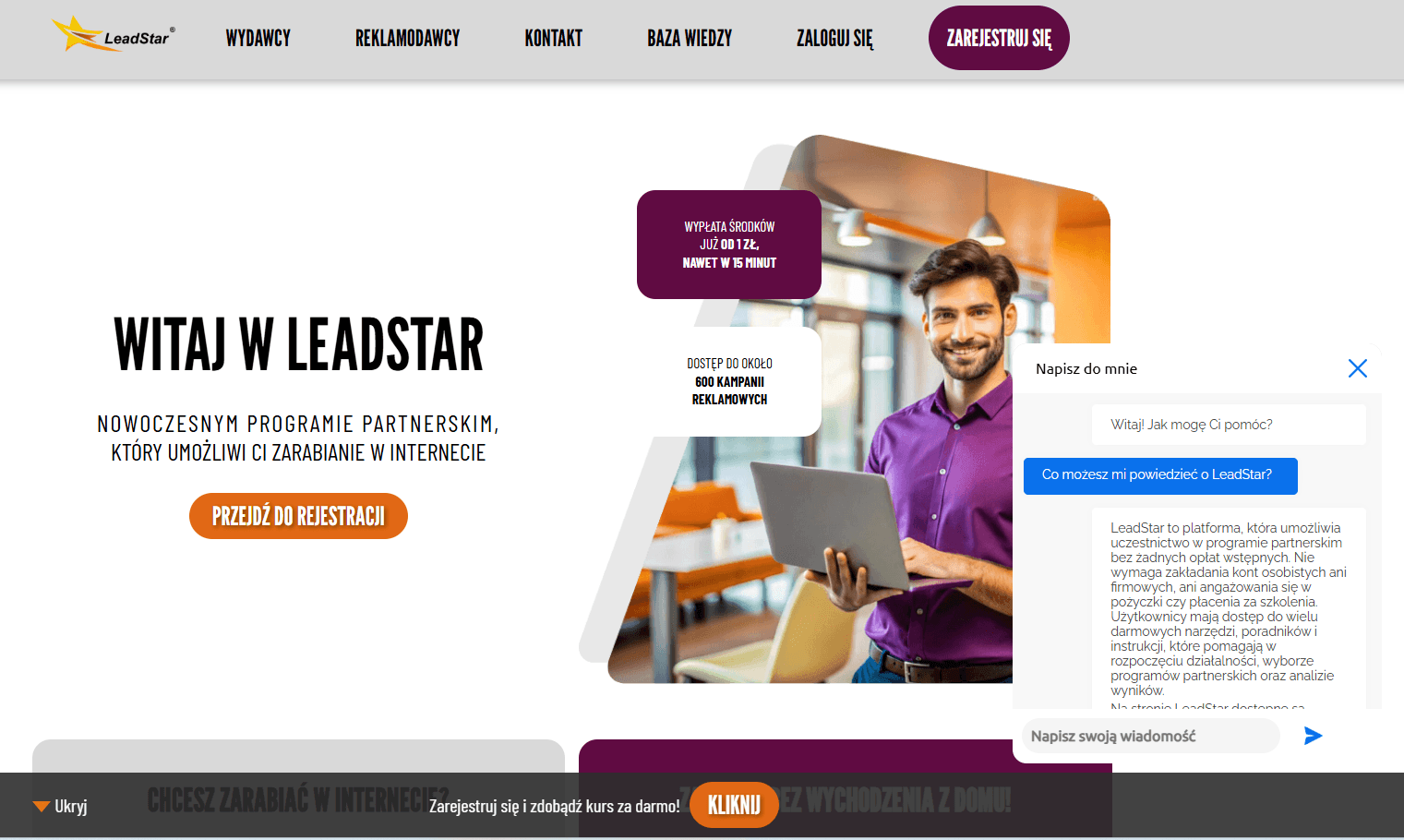
Knowledge base processing and embeddings
All knowledge sources — including platform documentation and blog content — were processed and transformed into vector embeddings. These embeddings were stored in a vector database, allowing the system to perform semantic search and retrieve the most relevant information for each user query.
Retrieval-augmented generation
Instead of relying solely on the language model, the system retrieves relevant knowledge from the database before generating a response. This architecture improves answer accuracy and ensures the assistant remains grounded in the platform’s documentation.
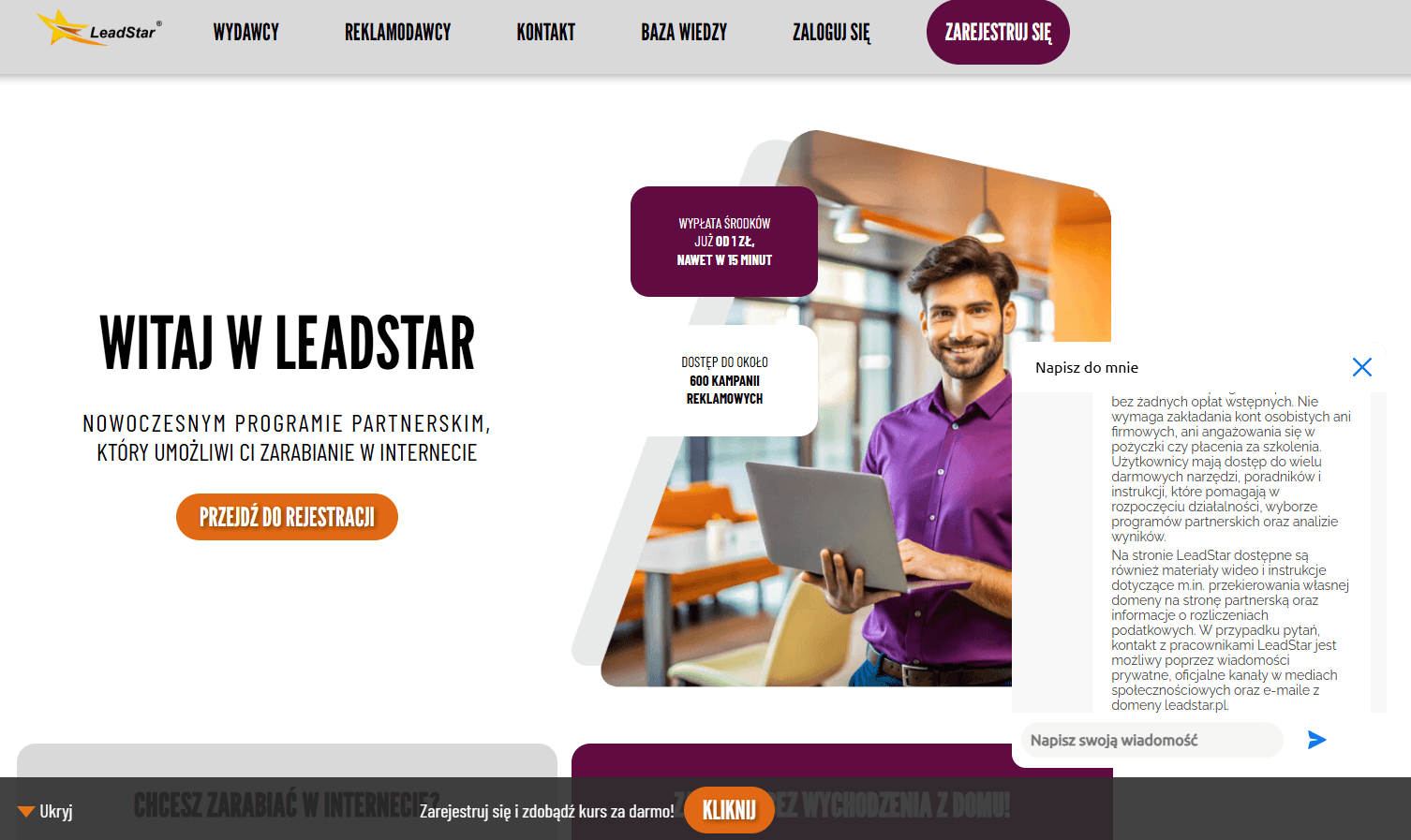
Prompt engineering
Carefully designed prompts guide the language model in interpreting user questions and generating responses aligned with the platform’s knowledge base. This significantly reduces hallucinations and improves answer quality.
Scalable backend architecture
A dedicated backend service manages communication between the chatbot interface, the vector database, and the language model. This architecture allows the system to support additional AI modules in the future.
Results
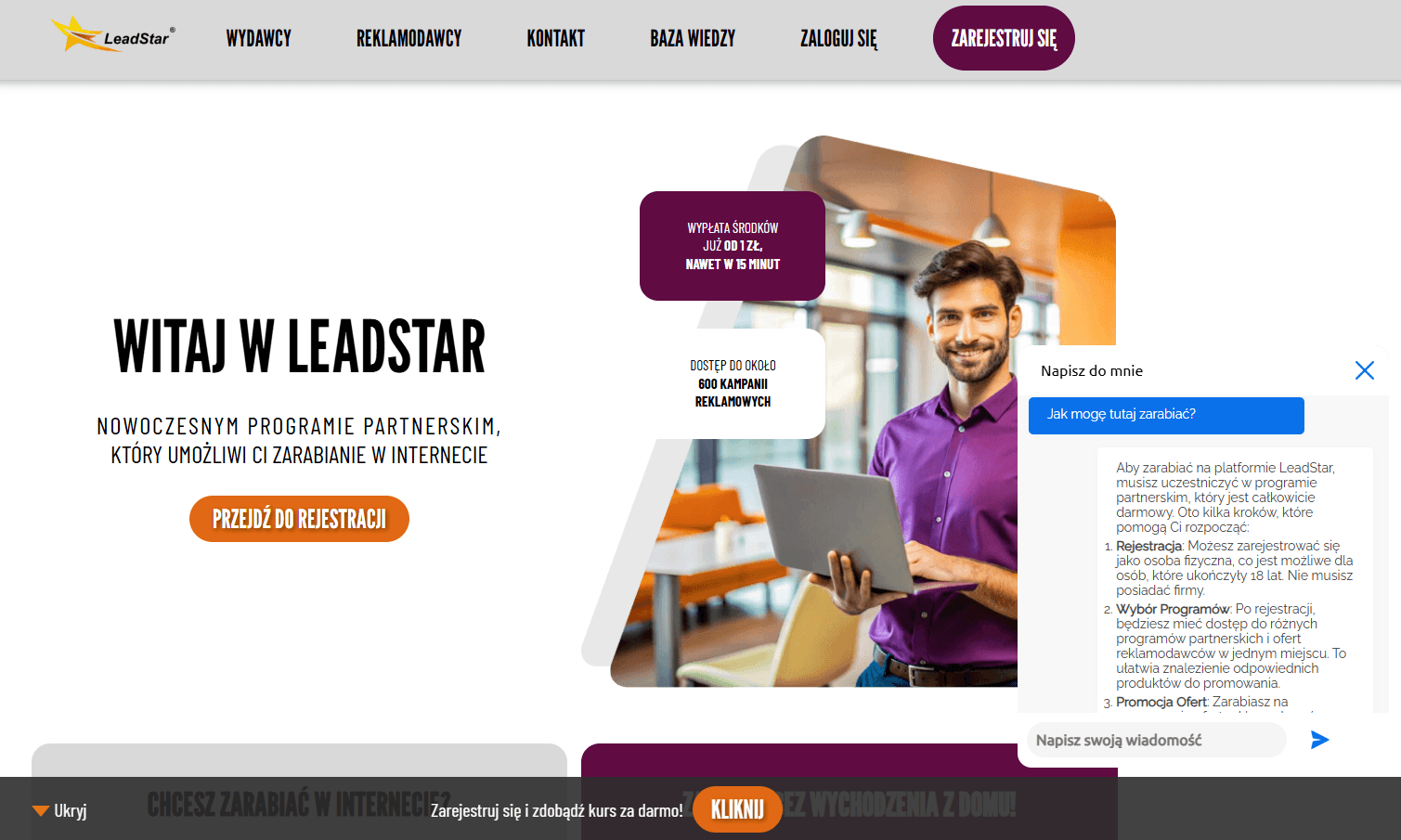
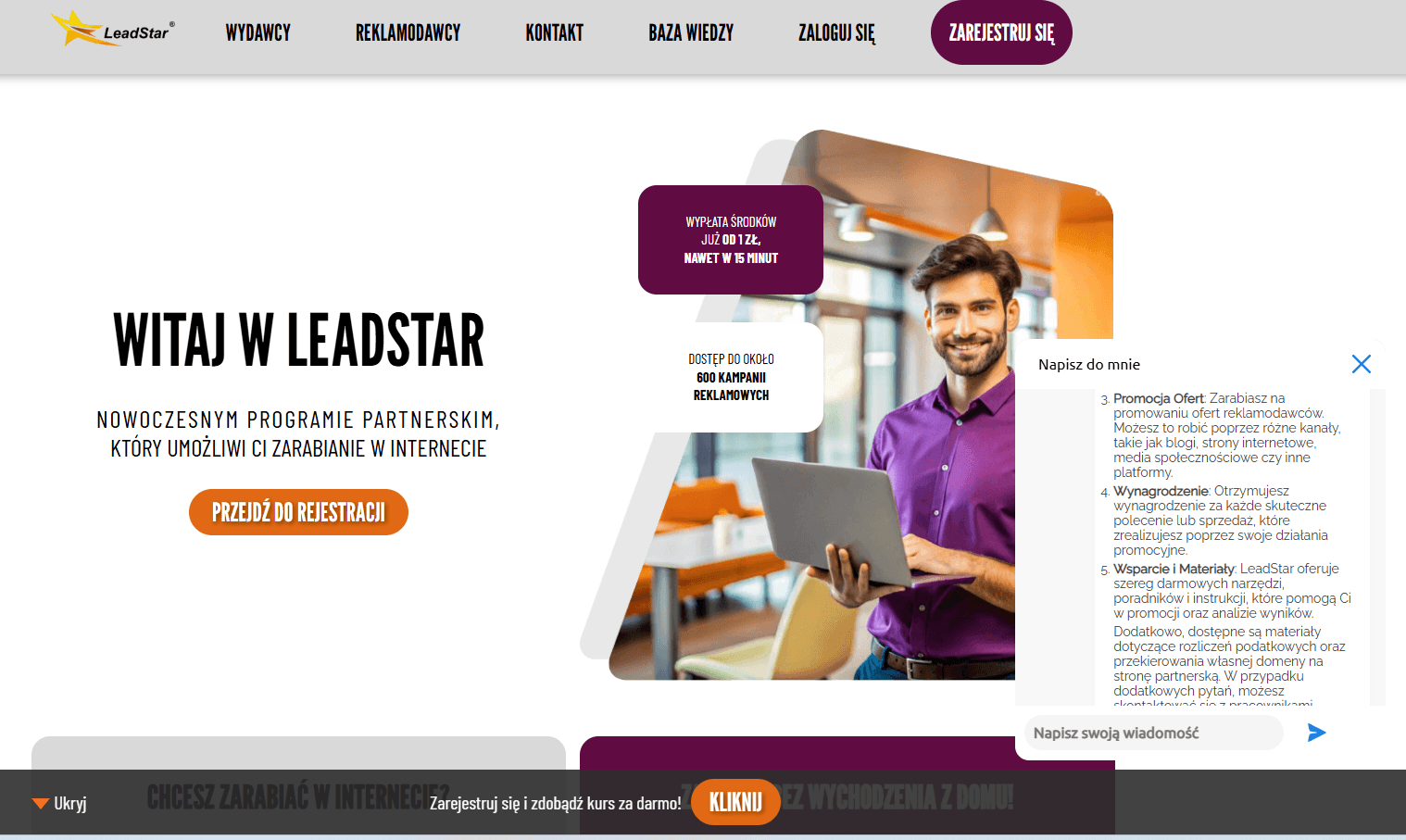
Faster access to platform knowledge
Publishers can now find answers about campaigns, tools, and platform functionality instantly through the chatbot interface. This significantly reduces the need to search through documentation.
Improved user experience
The conversational interface makes the platform easier to navigate and helps users quickly understand how to use its features.
Foundation for future AI features
The architecture built for the chatbot creates a strong foundation for additional AI capabilities, including campaign recommendations, automated insights, and personalized publisher guidance.